

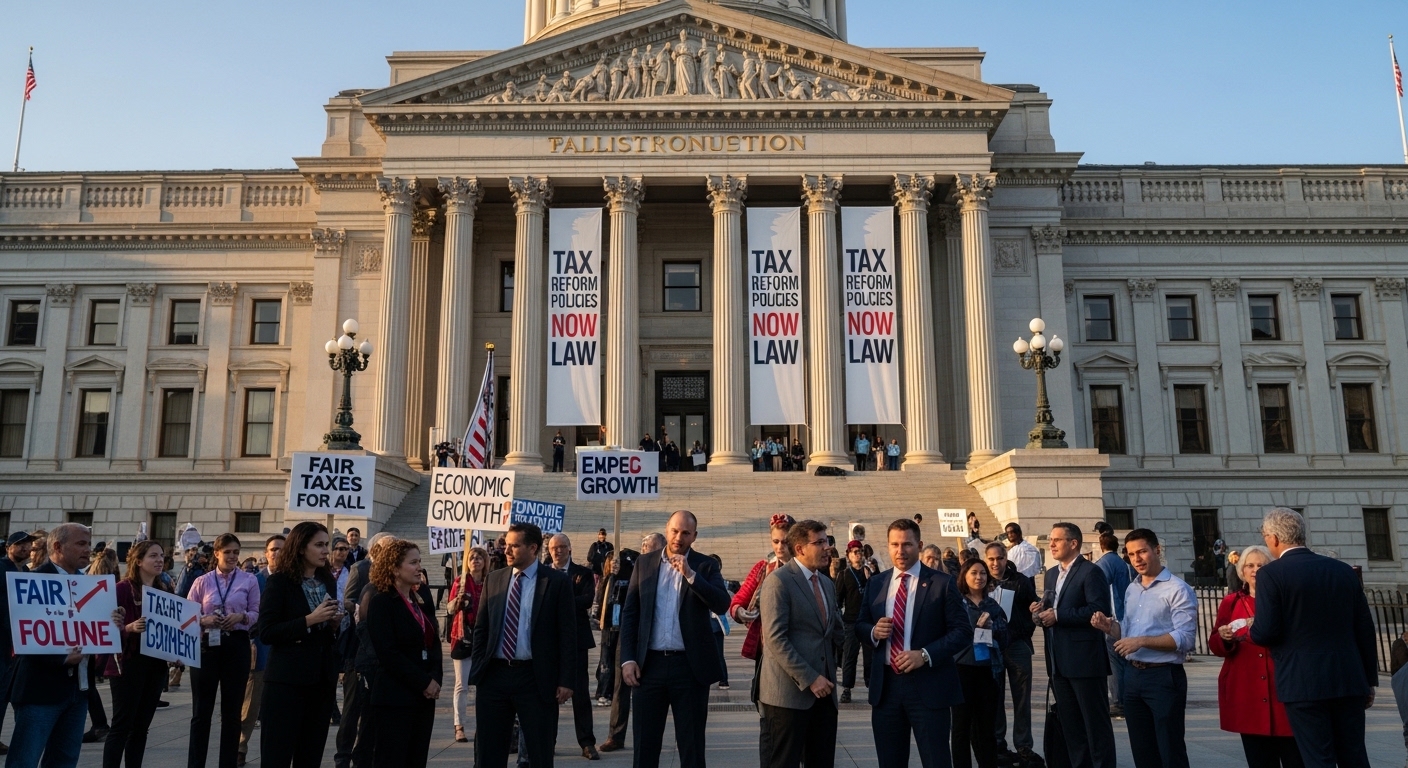
Government authorities have recently introduced new nationwide tax reform policies aimed at improving revenue collection, simplifying the taxation system, and strengthening economic stability. The announcement has triggered widespread debate among businesses, economists, and citizens, as stakeholders assess how the changes may affect income levels, pricing structures, and overall financial conditions across the country.
National Tax Policy Changes
Revised Income Tax Structure
The government has updated the income tax structure to create a more balanced contribution system for different earning groups. Officials argue the revised brackets aim to reduce loopholes and improve fairness. However, critics believe middle income earners may still experience increased financial pressure depending on implementation and enforcement mechanisms.
Corporate Tax Adjustments
New corporate tax adjustments introduced by the finance ministry are designed to encourage business compliance while expanding government revenue. Large companies are expected to contribute more under revised rules. Business associations have raised concerns about competitiveness, while policymakers argue the changes will strengthen fiscal stability and long term economic growth.
Digital Tax Expansion Measures
Authorities have expanded taxation on digital services and online transactions to align with modern economic activity. This includes e commerce platforms, streaming services, and international tech companies operating locally. Supporters say it modernizes tax systems, while critics warn it could increase costs for consumers and small digital businesses.
Property Tax Reforms
Updated property tax regulations aim to improve local government funding and urban development projects. Property valuations are being revised in several regions to reflect current market conditions. Homeowners and real estate investors are closely monitoring these changes, as they may influence housing affordability and investment decisions across major cities.
Fuel and Energy Tax Updates
The government has introduced adjustments in fuel and energy taxation to manage subsidies and control budget deficits. These changes are expected to influence transportation costs, electricity pricing, and industrial production expenses. Economic analysts warn that short-term inflationary pressure may rise before long-term stabilization benefits are realized.
Economic Impact Analysis
Inflation Pressure Concerns
Economists suggest that new tax reforms may temporarily increase inflation as businesses adjust pricing to accommodate higher operational costs. Consumers could experience rising prices in essential goods and services. However, policymakers argue that improved fiscal discipline will help stabilize the economy over the medium term.
Business Sector Reactions
Business communities have expressed mixed reactions to the tax reforms. Large corporations are preparing compliance adjustments, while small businesses fear reduced profit margins. Industry leaders are urging the government to introduce support measures that balance revenue generation with sustainable business growth and investment stability.
Government Revenue Expectations
Officials project increased national revenue following the implementation of new tax policies. This additional income is expected to support infrastructure development, public services, and debt reduction programs. Analysts note that success will depend on effective enforcement and taxpayer compliance across all sectors.
Employment Market Effects
Labor market experts are analyzing potential employment impacts, particularly in industries facing higher taxation. Some companies may reduce hiring or restructure operations to manage costs. However, government representatives argue that improved fiscal health could eventually support job creation and economic expansion.
Consumer Spending Trends
Consumer behavior is expected to shift as households adjust to new tax-related price changes. Reduced disposable income may lead to more cautious spending patterns. Retail and service industries are closely monitoring demand fluctuations to adapt their strategies accordingly.
Political and Public Reactions
Parliamentary Opposition Debate
Opposition parties have strongly criticized certain aspects of the tax reform package, arguing that it places additional burden on lower and middle income groups. Heated debates in parliament highlight differing views on economic fairness and fiscal responsibility between ruling and opposition parties.
Public Opinion Responses
Citizens have expressed mixed reactions through surveys and social media discussions. While some support stronger tax collection for national development, others worry about rising living costs. Public sentiment remains divided as people await real-world effects of the policy changes.
Media Coverage Analysis
Media organizations are extensively covering the reforms, featuring expert opinions, economic forecasts, and political commentary. News debates are helping citizens understand complex tax structures, though interpretations vary depending on economic and political perspectives.
Economic Expert Opinions
Financial analysts and economists have offered differing views on the reforms. Some praise the structured approach to revenue generation, while others caution about potential short-term economic disruption. Most agree that transparency and effective implementation will determine long-term success.
Regional Government Reactions
Local governments are preparing to adjust administrative systems in response to new tax guidelines. Regional authorities are assessing revenue-sharing impacts and planning budget reallocations to align with updated fiscal policies.
Business and Industry Effects
Small Business Challenges
Small and medium enterprises are concerned about increased compliance requirements and possible cost pressures. Many are seeking clarification on exemptions and relief measures. Business associations are requesting government support programs to ease transition challenges.
Banking and Financial Sector Response
Financial institutions are adapting systems to handle updated tax regulations and reporting requirements. Banks are also advising clients on compliance strategies to avoid penalties and ensure smooth financial operations under the new framework.
Real Estate Market Adjustments
The property sector is closely monitoring tax reforms affecting investment returns and ownership costs. Developers and investors are reassessing project feasibility, while buyers are evaluating affordability under revised taxation conditions.
Manufacturing Industry Impact
Manufacturing companies are analyzing production cost implications due to energy and corporate tax adjustments. Some firms may adjust pricing or supply chain strategies to maintain competitiveness in domestic and international markets.
Technology Sector Considerations
Technology companies, especially digital service providers, are evaluating new tax obligations affecting online transactions. Industry leaders are advocating for balanced regulations that encourage innovation while ensuring fair contribution to national revenue.
Long Term Economic Outlook
Fiscal Stability Goals
Government officials emphasize that tax reforms are designed to strengthen long-term fiscal stability. Improved revenue collection is expected to reduce budget deficits and support sustainable public spending programs.
Infrastructure Development Funding
Additional tax revenue is projected to fund large-scale infrastructure projects, including transportation networks, energy systems, and urban development initiatives. These investments aim to boost economic productivity and connectivity.
Investment Climate Expectations
Economists believe that clearer tax structures may improve investor confidence over time. However, short-term uncertainty could temporarily affect foreign direct investment flows until policies stabilize.
Income Distribution Considerations
Policy analysts are examining how tax reforms may influence income distribution across different social groups. Ensuring fairness while maintaining revenue efficiency remains a key policy challenge.
Economic Growth Projections
Long-term growth projections remain cautiously optimistic, with expectations that improved fiscal management and infrastructure spending could support stronger economic performance in future years.
Why did the government introduce new tax reforms?
To improve revenue collection, reduce fiscal deficits, and strengthen economic stability nationwide.
How will tax reforms affect businesses?
Businesses may face higher compliance costs and adjusted tax rates depending on sector and size.
Will consumers experience higher prices?
Some short-term price increases are possible due to higher operational costs.
What is the goal of digital taxation?
To regulate online economic activity and ensure fair taxation of digital services.
Can tax reforms improve the economy long term?
Yes, if implemented effectively, they can support growth and fiscal stability.
Government tax reforms represent a major policy shift aimed at strengthening national finances and modernizing the economic system. While debates continue over fairness and short-term impacts, the long-term objective focuses on stability, development, and improved public services. The success of these reforms will depend on balanced implementation and cooperation between government, businesses, and citizens.
